
Safeguarding Success: Navigating Cybersecurity in the Financial Industry
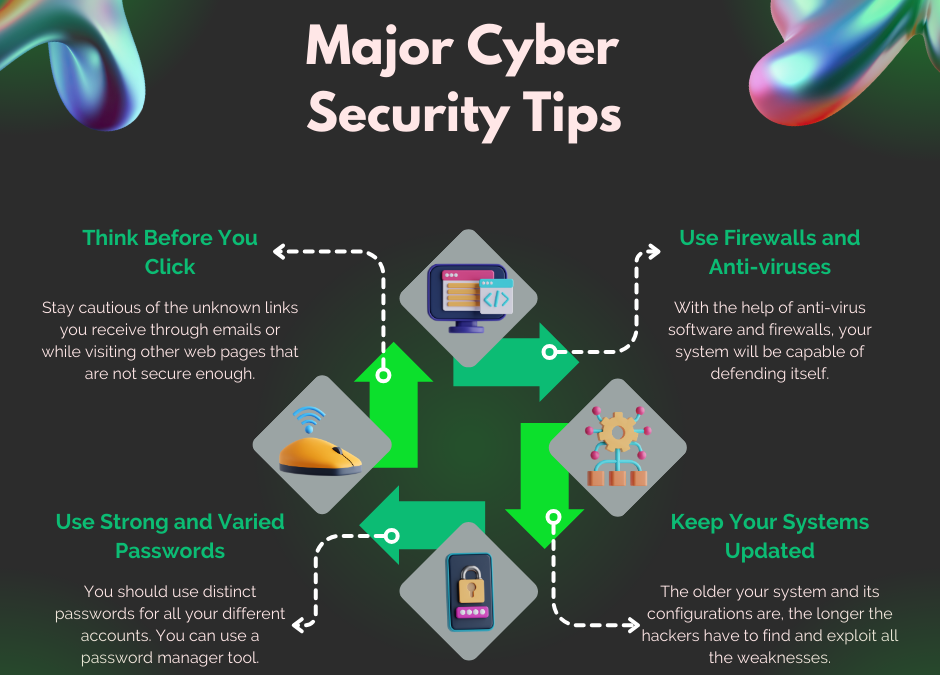
In an era dominated by digital advancements, the financial industry stands at the forefront of technological innovation. While these advancements bring unparalleled convenience and efficiency, they also open the door to a new frontier of risks. Cybersecurity has become a paramount concern for financial institutions, with the potential for devastating consequences if not addressed proactively.
The Evolving Landscape of Cyber Threats
As financial transactions increasingly shift to online platforms, the threat landscape evolves in tandem. Cybercriminals are becoming more sophisticated, employing tactics that range from phishing attacks and ransomware to complex malware designed to exploit vulnerabilities in financial systems. The financial industry, entrusted with sensitive and confidential information, is a prime target.
Protecting the Financial Fortress
1. Encryption and Secure Communication Channels:
To safeguard sensitive data, financial institutions must implement robust encryption protocols. This ensures that information transmitted between parties remains confidential and protected from prying eyes.
2. Multi-Factor Authentication (MFA):
Elevating security beyond traditional passwords, MFA adds an extra layer of protection by requiring users to verify their identity through multiple means. This significantly reduces the risk of unauthorized access.
3. Regular Security Audits and Updates:
Conducting regular security audits helps identify vulnerabilities in systems and processes. Promptly addressing these vulnerabilities, coupled with keeping software and systems updated, is crucial to staying one step ahead of potential threats.
The Human Element: Training and Awareness
While technological solutions play a pivotal role, the human element remains a significant factor in cybersecurity. Financial institutions must invest in comprehensive training programs to educate employees about the latest threats and best practices for maintaining a secure digital environment. Building a culture of cybersecurity awareness among staff is an essential line of defense.
Collaboration and Information Sharing
In the rapidly changing landscape of cyber threats, collaboration is key. Financial institutions should actively engage in information sharing initiatives within the industry to stay informed about emerging threats and effective defense strategies. A collective effort ensures that the industry as a whole becomes more resilient to cyber threats.
The Regulatory Landscape: Compliance as a Shield
Adhering to cybersecurity regulations and standards is not only a legal requirement but also a critical aspect of building a robust defense. Compliance frameworks provide a structured approach to cybersecurity, offering a roadmap for implementing effective security measures.
Conclusion: A Secure Future for Finance
As financial transactions continue to evolve in the digital realm, the importance of cybersecurity cannot be overstated. It is not merely a reactive measure but a proactive strategy for protecting the trust and financial well-being of clients. By adopting advanced technologies, educating personnel, and fostering a culture of collaboration, the financial industry can navigate the complex landscape of cyber threats and build a secure future for all stakeholders. Remember, in the world of finance, cybersecurity is not just a necessity; it’s the cornerstone of success in the digital age.
Recent Posts
Recent Comments
Archives
Categories
Meta
Dedicated and Reliable
CFO Bookkeeping
\
Bookkeeping
Providing a view of your business’s past, current and future financial health.
\
Tax Planning
Ensure tax efficiency while preparing both individual tax returns and business returns.
\
Cash Flow
Truly understanding your cash flow is a key ingredient to long term business success.
Ready to Experience
CFO Bookkeeper?
DR
©2023
Company
About Us
Servcices
Contact Us
Resources
Bookkeeping Tracker
Latest News
Community
Terms & Conditions
Privacy Policy
Quick links
Home
CFO Bookkeeper
Accounting Solutions
Blog
Let’s Socialize
Disclaimer: The contents on this site are intended to be used for informational purposes only. It is imperative that you do your own analysis, considering your specific, unique scenario. You should not take anything from this site as legal, tax, financial or financial advice. Since rules and regulations change over time and can vary by location, consult with a professional as this content itself does not constitute an ‘Accountant/Client’ relationship.
